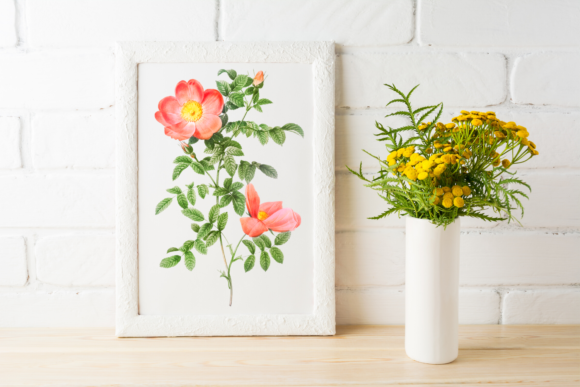
The Timeless Elegance of Rose Graphics for Wedding Designs
There's something undeniably romantic about a rose. It's a symbol that has transcended centuries, carrying with it messages of love, beauty, and new beginnings. For designers and creators in the wedding industry, capturing this essence visually is paramount. A high-quality rose graphic isn't just a decorative element; it's a foundational piece that can set the tone for an entire event's aesthetic. When you find a clipart file that is not only beautiful but also meticulously prepared for professional use, it becomes an invaluable asset in your creative toolkit.
More Than Just a Pretty Picture: The Value of a Professional Asset
The difference between a generic image and a professional design asset often lies in the details. Consider a vintage rose clipart delivered as a 300dpi PNG file with a transparent background. This specification alone solves countless production headaches. The high resolution ensures it will print crisply on everything from delicate tissue paper inserts to large-scale posters without becoming pixelated. The transparent background is a game-changer, allowing you to layer the rose seamlessly over any color, pattern, or texture without awkward white boxes or complex masking. Sized at 7" x 7", it provides a substantial starting point that can be scaled down for subtle accents or used at full size for a bold statement. This kind of thoughtful preparation speaks to an understanding of the end-user's needs, whether they are a bride creating her own invitations or a professional stationery designer fulfilling client orders.
Infusing Brand Identity with Floral Sophistication
For small businesses, particularly those in the lifestyle, wellness, or artisanal product space, visual branding is everything. A vintage rose graphic offers a versatile language of elegance and authenticity. It can become a cornerstone of a brand's identity. Imagine it as the central motif on product packaging for a line of organic soaps or gourmet teas, instantly communicating a sense of natural luxury and care. Used within a logo or as a recurring pattern on a website, it builds immediate recognition and emotional connection with the audience. The style of the rose—whether it's a soft watercolor rendition or a more detailed botanical illustration—can align perfectly with a brand's voice, be it rustic, classic, or romantically modern.
This extends powerfully into digital spaces. Social media graphics, Instagram stories, and Pinterest pins gain depth and visual interest with a well-placed floral element. It can frame a quote, accent a product photo, or simply add a touch of beauty that makes a feed feel curated and cohesive. For bloggers and content creators, especially those in niches like wedding planning, DIY crafts, or lifestyle, such a graphic enhances editorial layouts, making articles more engaging and shareable.
Practical Applications: From Screen to Print and Beyond
The true test of a design asset is its flexibility. A single rose graphic can be adapted to a myriad of projects, proving its worth many times over.
- Invitations & Stationery: This is its natural home. Use it as the focal point on a wedding invitation suite, a save-the-date card, or elegant thank-you notes. It can also embellish menus, programs, and place cards.
- DIY Cardmaking & Crafts: For hobbyists and crafters, it's a perfect element for handmade projects. Print it on cardstock, use it with a cutting machine, or incorporate it into digital scrapbooking pages.
- Editorial & Marketing: Enhance the look of a magazine layout, a lookbook, or a brochure for a wedding venue or florist. In marketing, it can elevate email newsletters, sale announcements, and promotional banners with a touch of sophistication.
- Digital Products & Merchandise: It can be used to design beautiful digital planners, printable wall art, or patterns for merchandise like tote bags, mugs, or t-shirts, creating a cohesive product line with a distinct aesthetic.
Achieving Cohesion: Pairing Your Rose with the Right Typography
A stunning graphic deserves equally thoughtful typography to create a harmonious design. Pairing a detailed vintage rose with a font requires a balanced approach. Often, the graphic itself carries a lot of visual weight and personality. Therefore, choosing a complementary font is key to maintaining readability and a professional presentation.
For formal invitations or elegant branding, a classic serif font like Garamond or a graceful script font can mirror the rose's timeless quality. The key is to ensure the script remains legible, especially for essential information. For a more modern or minimalist brand that uses the rose as a delicate accent, a clean sans serif font like Montserrat or Lato can provide a beautiful contrast, letting the floral element pop without overwhelming the text. Experimenting with font pairing—using a serif for headings and a sans serif for body text, for example—can create a sophisticated hierarchy that guides the viewer's eye. Always test your combinations at the actual size they will be used to check for clarity and overall visual harmony.
Making It Work for You: A Few Final Considerations
Before diving into your next project, a quick review ensures smooth sailing. First, always verify the licensing. A file described as suitable for both personal and commercial use opens up possibilities for selling finished products, which is crucial for entrepreneurs and small businesses. Second, consider the color palette. While the provided file is a static image, its vintage tones can be a starting point for building your entire project's color scheme, or you can use photo editing software to adjust its hue to match specific brand colors. Finally, think about scale and placement. A large, centered rose makes a bold statement, while smaller, repeated motifs or a single corner accent offer subtlety. Let the project's goal dictate the graphic's role, whether it's the star of the show or a supporting player that ties everything together.
In the end, a well-chosen design asset like a vintage rose graphic does more than just decorate a page. It tells a story, evokes an emotion, and provides a reliable foundation for beautiful, cohesive visual communication across a multitude of projects, both personal and professional.