Capturing Tradition in Vector: The Art of Japanese Wedding Illustration
There is a profound quietness in a Japanese wedding ceremony, a blend of ancient tradition and delicate aesthetics that captures the heart. Translating that serene beauty into a digital asset is no small feat. If you have ever tried to find design elements that respect the intricate details of a kimono or the symbolic weight of a Shinto shrine without looking cartoonish or generic, you know the struggle. It is why high-quality Japanese Wedding Character Illustration has become a gold standard for designers working on cultural projects, event branding, or even narrative storytelling in marketing.
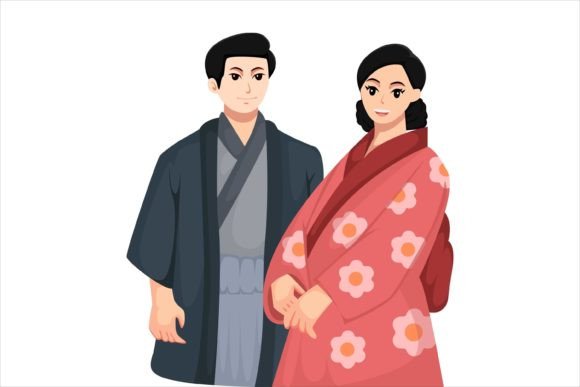
When we talk about a resource like a Japanese Groom and Bride Wedding Character Design Illustration in VECTOR EPS format, we are discussing more than just a picture. We are looking at a versatile tool. Because these graphics are 100% vector, they offer a level of flexibility that raster images simply cannot match. You can scale the bride’s intricate hair ornament or the groom’s formal hakama to the size of a billboard or shrink it down for a favicon, and the lines remain crisp. For anyone involved in branding or visual communication, this is the difference between a project looking "homemade" and looking professional.
The Silent Language of the Kimono
What makes this specific style of illustration so visually appealing? It comes down to the richness of the visual vocabulary. A Japanese wedding character isn't just a figure; it is a collection of symbols. The colors—often reds, whites, and golds—represent purity, passion, and prosperity. The textures of the silk, the folds of the fabric, and the specific way the obi is tied all tell a story.
For a brand strategist or a small business owner, using these elements correctly can elevate a project significantly. Consider a boutique hotel specializing in Japanese hospitality or a high-end tea brand. Using a generic stick figure to represent a wedding or celebration feels disconnected. However, utilizing a well-organized, editable vector illustration allows you to match the elegance of your product with your marketing materials. It bridges the gap between the digital representation and the physical experience you are offering your customers.
Practical Applications for Modern Designers
The versatility of a vector-based character design opens up a surprising number of practical uses. Because the file comes with well-organized shapes and editable colors, you are not locked into a single aesthetic. This is crucial for maintaining visual consistency across different platforms.
Here is how creative professionals are integrating these assets into their workflow:
- Invitations and Stationery: This is the most obvious use, but it bears repeating. Whether it is a physical letterpress invite or a digital e-vite, the characters serve as the perfect focal point. You can adjust the RGB color mode to match specific wedding themes or corporate palettes.
- Packaging Design: Imagine a line of sake or confectionery. The vector illustration can be deconstructed. Perhaps you only use the floral motifs from the bride's hair for the box pattern, or the groom's silhouette for the seal. Vector files allow you to isolate these elements easily.
- Social Media and Web Assets: Content creators need fresh graphics constantly. These illustrations can be used for Instagram highlights, website hero banners, or blog post headers. The high-resolution nature ensures they look sharp on Retina displays.
- Merchandise and Apparel: For those selling tote bags, t-shirts, or mugs, vector graphics are essential for screen printing and DTG (direct-to-garment) printing. The clean paths ensure a smooth print without jagged edges.
- Editorial Layouts: Bloggers and magazine editors can use these characters to break up text-heavy sections, adding a cultural touch to articles about travel, lifestyle, or heritage.
Working with Vector EPS Files
If you are used to working with PNGs or JPEGs, stepping into the world of Adobe Illustrator and vector EPS files might feel like a learning curve, but the payoff is immense. The key feature of this type of asset is editability. "All Objects & Colors are editable" is a phrase that should excite any designer.
It means the illustration is not a flat image. It is a collection of layers and paths. You can change the bride's kimono from red to soft pink to fit a pastel branding palette. You can adjust the groom's hair color or remove background elements if they clutter your layout. This level of customization ensures that the illustration feels bespoke to your project, rather than a stock image that everyone else is using.
When you open the file in Illustrator, you will notice the "well-organized shapes." Good asset creators group elements logically—hair, face, clothing, accessories—so you aren't hunting through thousands of unnamed layers. This saves billable hours and reduces frustration, allowing you to focus on the creative composition.
Enhancing Brand Identity and Recognition
Consistency is the backbone of brand recognition. When you find a style of illustration that resonates with your brand's voice—whether that is playful, traditional, or minimalist—sticking to it helps your audience recognize you instantly.
A Japanese Wedding Character Illustration often carries a sense of elegance and timelessness. If your brand identity revolves around these values, incorporating this style into your typography and graphics creates a cohesive ecosystem. It moves your brand from being just a logo to being a fully realized visual world.
Furthermore, using high-quality graphics improves the perceived value of your offering. In the digital space, trust is built visually. A blurry, pixelated graphic on a landing page suggests a lack of attention to detail. Conversely, a crisp, high-resolution vector image suggests professionalism and care. It tells the client that you value quality, which subconsciously transfers to how they view your product or service.
Integrating Illustration with Typography
While the illustration is the star, it rarely works alone. It needs to play nice with your typography. A common mistake is pairing a highly detailed, ornate illustration with a similarly busy font. The result is visual noise.
When working with detailed character designs, consider these pairing strategies:
- The Minimalist Contrast: Pair the ornate illustration with a clean, modern sans-serif font. The simplicity of the text allows the complexity of the illustration to breathe. This works exceptionally well for web design and social media graphics where readability is paramount.
- The Thematic Harmony: Use a serif font with slightly more character—perhaps a transitional or old-style serif—to echo the traditional roots of the illustration without competing with it.
- The Accent Script: Use a script or handwritten font sparingly for headers or accents (like "Save the Date"), but keep the body text in a highly legible serif or sans-serif.
Always test your font pairings at the size they will be viewed. A delicate script that looks beautiful at 24pt might become an unreadable scratch at 12pt on a mobile screen. The goal is to create a hierarchy where the illustration draws the eye, and the text delivers the message clearly.
Licensing and Commercial Use
For designers, entrepreneurs, and content creators, the legal side of assets is just as important as the aesthetic side. It is vital to understand the commercial licensing considerations of the assets you purchase.
Most premium vector assets come with a license that allows for commercial use, but there are nuances. Typically, you can use the illustration in an end product (like a logo, a printed poster, or a website design) that you sell to a client or use for your own business. However, you usually cannot resell the raw vector file itself as a standalone asset. You cannot simply upload the EPS file to another stock site or include it in a "design bundle" for sale.
Always review the specific license of the Japanese Groom and Bride Wedding Character Design Illustration you purchase. Look for terms regarding "end products" and "print on demand." If you plan to use the design for merchandise (like selling t-shirts), ensure the license covers print-on-demand services. Respecting these boundaries protects your business legally and supports the artists who create these high-quality resources.
Final Thoughts on Visual Storytelling
In a world saturated with generic clip art, a thoughtfully designed Japanese Wedding Character Illustration stands out. It brings warmth, narrative, and cultural depth to a project. Whether you are designing a wedding invitation suite, building a brand for a Japanese fusion restaurant, or creating a blog series on cultural traditions, these vector assets provide the flexibility and quality needed to communicate effectively.
The ability to edit colors, resize without loss of quality, and organize layers makes this more than just a picture—it is a functional part of your design toolkit. By pairing these visuals with strong typography and a clear brand strategy, you create a professional presentation that engages your audience and elevates your message.