Soft, Watercolor Roses: A DIY Designer's Dream
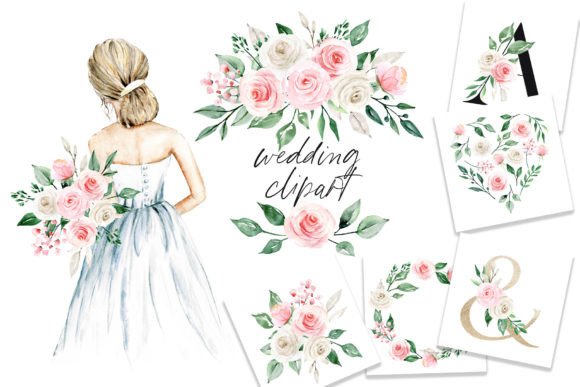
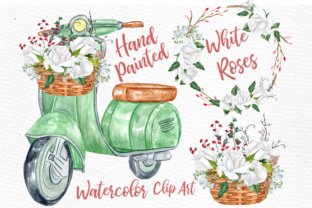
There’s a certain magic to watercolor that digital design sometimes struggles to capture. It’s the gentle bleed of one hue into another, the subtle texture of pigment on paper, the organic imperfection that feels so deeply human. For anyone crafting invitations, building a brand, or creating heartfelt stationery, achieving that hand-painted authenticity can transform a project from merely nice to truly memorable. This is where a carefully curated asset like a set of hand-painted white roses becomes invaluable. It’s not just a collection of flowers; it’s a piece of artistry designed to infuse your work with elegance, softness, and a personal touch.
Beyond the Bouquet: Where These Florals Truly Shine
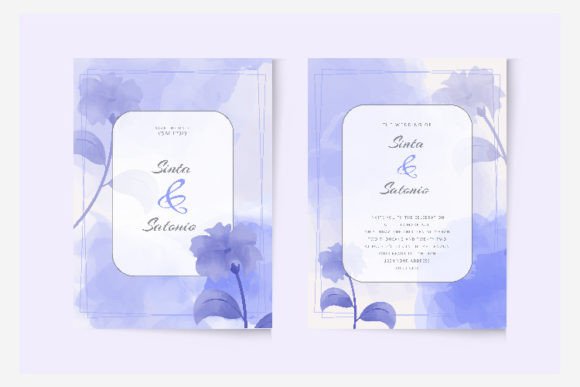
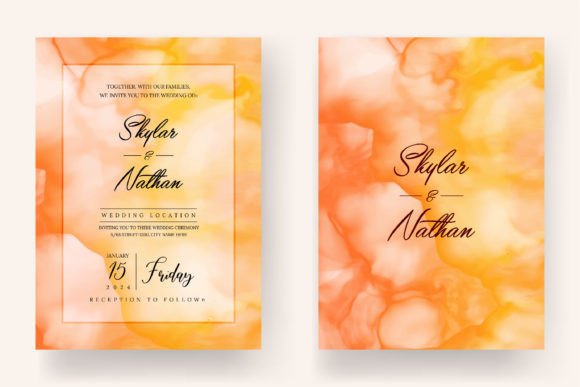
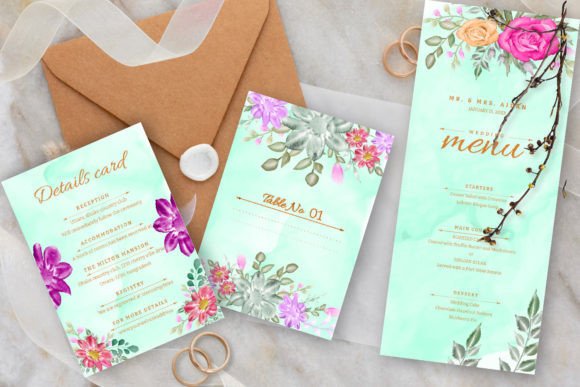
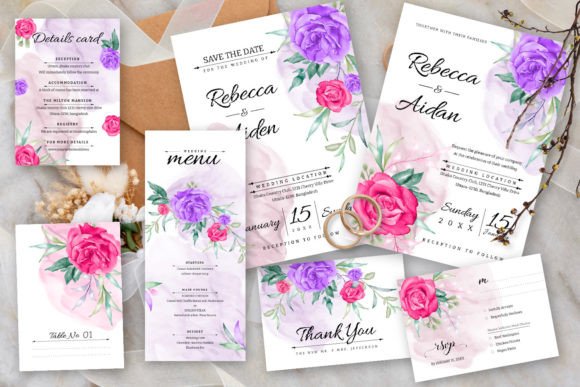
The versatility of high-quality clipart lies in its ability to adapt to a designer's vision. While the name suggests wedding invitations and greeting cards, the applications for these delicate watercolor roses extend far beyond paper goods. Imagine a small-batch skincare brand using them on packaging to convey natural, gentle ingredients. Picture a boutique bakery’s menu or a cafe’s loyalty card adorned with these soft florals, creating an atmosphere of handmade care. For a blogger or content creator, they can become the cornerstone of a visual identity—used in Instagram story templates, as a website header accent, or to beautifully frame a featured image. The transparent backgrounds of the PNG files make them incredibly easy to layer, blend, and integrate into any composition, whether for a minimalist logo or a lush, full-page editorial layout.
Building a Cohesive Visual Language
Consistency is the quiet engine of brand recognition. Using a unified set of design assets ensures that every touchpoint—from a social media graphic to a thank-you card—feels like it belongs to the same family. This collection of white roses clipart provides that essential consistency. The elements are all from the same artist’s hand, ensuring the watercolor washes, the brushstroke textures, and the overall style are harmonious. When you use these across your materials, you’re not just adding decoration; you’re weaving a specific aesthetic narrative. This visual thread helps build trust and makes your brand instantly recognizable. It’s a practical strategy for solopreneurs and small businesses who need to project a polished, professional image without the resources for a full custom illustration suite.
Practical Wisdom for Seamless Integration
Having beautiful assets is one thing; using them effectively is another. Here’s some practical advice for incorporating these elements into your workflow. First, consider scale and placement. A single, large rose can serve as a stunning focal point on a wedding invite, while a scattering of smaller buds can create a delicate border for a business card. Don’t be afraid to combine them with other design elements. Pair the watercolor florals with a clean, modern sans-serif font for a balanced, contemporary look, or with a flowing script font to enhance the romantic feel. Always test your combinations in context. Place the text over the floral element to check for readability—adjusting the opacity or adding a subtle drop shadow can often solve any contrast issues. Because the files are high-resolution (300 dpi), you have the freedom to use them in large-format print projects like posters or signage without losing quality.
From Digital File to Tangible Product
The true test of a design asset is its performance in the real world. This is where the technical specifications matter. The provided high-resolution files are print-ready, meaning the soft gradients and intricate details of the hand-painted roses will reproduce beautifully on paper, fabric, or cardstock. This makes them ideal for creating physical products. Think about designing a series of art prints, customizing notebook covers, or creating a line of greeting cards to sell on platforms like Etsy. The commercial license often included with such assets is a critical consideration for entrepreneurs. It typically allows you to use the artwork in end products you sell, but it’s always your responsibility to review the specific license terms to ensure your intended use is covered, especially for large-scale merchandise or digital resale.
The Final Brushstroke: Why Authenticity Resonates
In an era saturated with perfectly polished, algorithm-driven imagery, there’s a growing hunger for authenticity and human touch. Hand-painted elements like these watercolor roses answer that call. They carry a warmth and a story that purely digital graphics cannot replicate. They remind us of the artist’s hand, of the time and care invested. By choosing to incorporate such artwork, you’re making a deliberate choice to connect with your audience on a more human level. You’re not just sending an invitation or packaging a product; you’re offering a piece of considered beauty. It’s this attention to detail and appreciation for craftsmanship that ultimately elevates your project, making it feel more personal, more thoughtful, and infinitely more special.