Watercolor Sunflower and Pumpkin Clipart for Autumn Designs
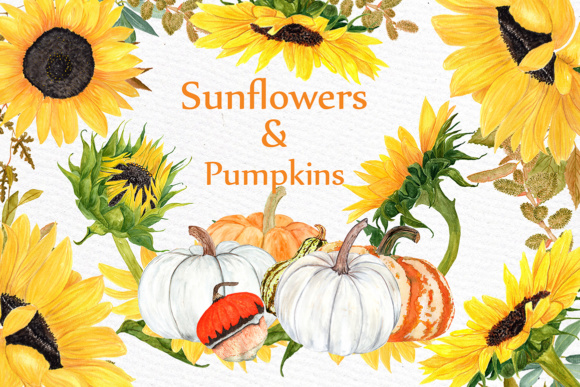
There’s something deeply nostalgic and inviting about the autumn season—the warm palette, the harvest bounty, the feeling of celebration. For designers and creators who want to capture that essence in their work, having the right visual assets can make all the difference. A collection of hand-painted watercolor sunflower clipart, pumpkin elements, and yellow floral motifs offers a versatile toolkit for projects that need a touch of organic elegance and seasonal charm. Whether you’re designing wedding invitations, Thanksgiving décor, or branding materials for a fall product launch, these elements provide a cohesive, artistic foundation.
Why Watercolor Elements Stand Out in Modern Design
In a digital landscape saturated with flat graphics and generic illustrations, watercolor textures bring a human, tactile quality that resonates with audiences. Each brushstroke, gradient, and subtle imperfection in hand-painted watercolor clipart tells a story. For a sunflower wedding theme or harvest festival branding, this style evokes warmth, authenticity, and craftsmanship. Unlike vector graphics that can feel sterile, watercolor elements add depth and emotion to designs—making them ideal for projects where you want to establish an emotional connection with viewers.
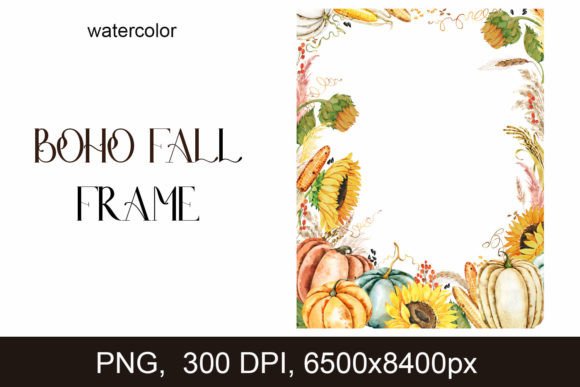
The specific collection we’re discussing includes 21 high-resolution PNG elements, each sized between 7 and 10 inches at 300 DPI. This resolution is crucial for both digital and print applications. At 300 DPI, images maintain crisp detail when scaled for posters, packaging, or merchandise. The generous sizing means you can crop, resize, and adapt elements without losing quality—whether you’re creating a small social media icon or a large banner for an event.
Practical Applications for Branding and Marketing
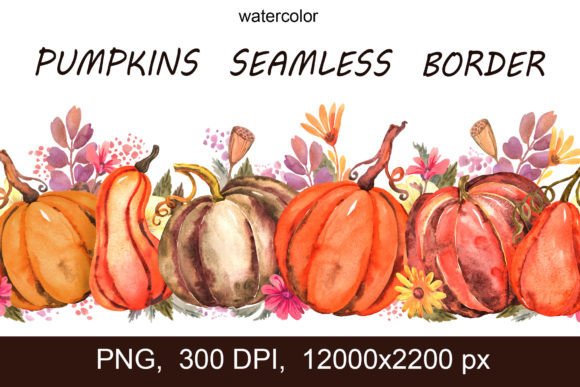
For small business owners, especially those in the wedding industry, food blogging, or seasonal retail, these watercolor assets can streamline the design process while elevating visual consistency. Imagine a bakery launching a fall menu: using sunflower and pumpkin clipart across their website, Instagram posts, and printed menus creates instant brand recognition. The yellow flower clipart can accent thank-you cards or packaging tape, while harvest-themed elements might decorate a farmer’s market stall or online storefront.
Content creators and bloggers will find these assets particularly useful for editorial layouts. A food blogger could use pumpkin clipart as section dividers in a Thanksgiving recipe post. A lifestyle influencer might incorporate sunflower motifs into Pinterest graphics to increase engagement. The key is using these elements to reinforce a seasonal narrative without overwhelming the core message. They work best as accents—framing text, highlighting key points, or adding visual interest to headers and footers.
For designers working on client projects, having a library of original, hand-painted watercolor elements saves time and adds value. Instead of spending hours illustrating from scratch or settling for overused stock images, you can offer clients a unique aesthetic that sets their brand apart. Wedding planners, for example, can create cohesive stationery suites using sunflower clipart for save-the-dates, programs, and thank-you cards. The consistency in style across all touchpoints makes the event feel polished and thoughtfully designed.
Matching Visual Assets to Your Project Goals
When incorporating any design asset, it’s important to consider how it aligns with your project’s tone and audience. Watercolor sunflower and pumpkin clipart naturally suits themes of warmth, gratitude, and rustic elegance. They’re perfect for brands that want to communicate approachability, tradition, or natural beauty. A farm-to-table restaurant, a boutique selling handmade soaps, or a wedding venue with garden settings would all benefit from this style.
However, if your brand leans more minimalist, modern, or corporate, these elements might work better as occasional accents rather than central motifs. For instance, a tech company launching a fall campaign could use a single sunflower graphic in an email header to add seasonal flair without compromising their clean aesthetic. The goal is to use design assets intentionally—enhancing your message rather than distracting from it.
Typography pairing is another consideration. Watercolor elements pair beautifully with serif fonts for a classic, editorial feel, or with handwritten script fonts for a more personal touch. When designing invitations or social media graphics, test how your chosen typeface interacts with the clipart. Ensure legibility by placing text over simpler areas of the illustration or using solid-color backgrounds where needed.
Licensing and Commercial Use Considerations
For entrepreneurs and designers planning to use these assets in commercial projects, understanding licensing is essential. Always review the terms provided by the creator. Most reputable clipart collections, including this one, allow for commercial use—meaning you can incorporate them into products for sale, client work, and marketing materials. However, restrictions often apply to redistributing the raw files themselves. You typically cannot resell the clipart as-is, but you can use it in designs that you sell or distribute.
This distinction matters for small business owners creating merchandise. If you’re printing sunflower clipart on tote bags or mugs, that’s usually permitted. If you’re selling the clipart file as part of a design bundle, that’s likely prohibited. When in doubt, reach out to the creator for clarification. Respecting these boundaries supports independent artists and ensures you’re using assets ethically.
Tips for Integrating Seasonal Elements Year-Round
While sunflowers and pumpkins are quintessentially autumn, skilled designers can adapt these elements beyond Thanksgiving. A sunflower wedding theme, for example, might span late summer through early fall. The yellow flower clipart can brighten spring campaigns or add cheer to year-round branding for florists and garden centers. By adjusting color palettes—perhaps muting the oranges and emphasizing the yellows and greens—you can extend the usability of harvest clipart into different seasons.
Layering is another technique to consider. Combine watercolor elements with solid shapes, textures, or photographs to create depth. A sunflower graphic overlaid on a linen texture background can feel vintage and rustic, while the same sunflower on a clean white background feels fresh and contemporary. Experiment with opacity, blending modes, and scale to discover new ways to use these assets in your projects.
Ultimately, the value of a high-quality clipart collection lies in its flexibility and ability to inspire. Whether you’re a hobbyist crafting homemade cards or a professional designer building a brand identity, having access to original, hand-painted watercolor elements gives you a creative edge. They save time, enhance visual storytelling, and help you deliver work that feels both personal and professional.