Abstract Monoline Illustration Wedding: A Designer's Guide to Elegant Art
There’s a specific feeling a monoline illustration evokes—a blend of modern simplicity and timeless grace that feels both personal and polished. When applied to wedding themes, this art style captures the essence of romance without overwhelming detail, creating visuals that are clean, sophisticated, and incredibly versatile. Abstract Monoline Illustration Wedding designs offer a unique aesthetic that works beautifully across print, decoration, and digital elements, providing creators with a powerful tool for projects that demand elegance with a contemporary edge.
Understanding the Visual Appeal of Monoline Wedding Art
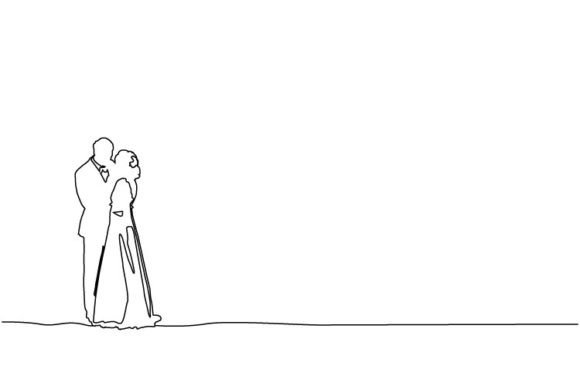
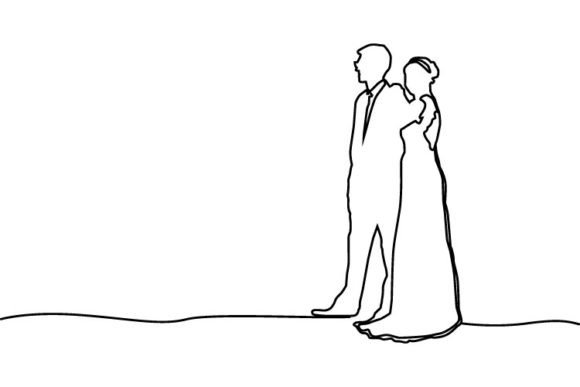
What makes abstract monoline illustration so compelling for wedding-related projects? At its core, this style uses continuous, uniform lines to form shapes, often leaving portions open to interpretation. This abstraction allows the viewer to fill in the gaps, creating a more engaging and personal connection to the imagery. For a wedding couple design, this might mean flowing, interconnected lines that suggest two figures, rings, or floral elements without rigidly defining every detail. The result is artwork that feels airy, romantic, and deeply artistic.
The strength of this approach lies in its versatility. A single abstract monoline illustration wedding couple design can serve as the focal point of an invitation suite, a subtle background texture for a website, or a striking logo for a wedding planning business. Its simplicity ensures it doesn’t clash with other design elements, while its artistic quality elevates the overall composition. For designers and entrepreneurs, this means one asset can be adapted across numerous applications, ensuring visual consistency and saving valuable time.
From Invitations to Brand Identities: Practical Applications
Let’s explore how this design asset translates into real-world projects. For small business owners in the wedding industry—planners, photographers, stationery designers—incorporating abstract monoline illustrations into branding materials creates an immediate sense of sophistication. Imagine a suite of business cards, letterheads, and thank-you notes all featuring a cohesive monoline motif. It builds a recognizable brand identity that communicates taste and attention to detail.
For content creators and marketers, these illustrations are gold for social media graphics. A delicate monoline wedding couple can frame a promotional post, add visual interest to a story background, or serve as an elegant border for text-based content. The style is inherently "Instagrammable," offering a professional look that stands out in crowded feeds without appearing overly commercial or generic.
The applications extend far beyond digital use. Think about physical products: tote bags, mugs, or notebooks featuring these designs make for beautiful merchandise. For event decorators, the illustrations can be scaled up for signage, table numbers, or projection mapping, maintaining their clarity and impact at any size. The included file formats—AI, EPS, SVG, PNG, and JPG—ensure you have the right tool for every job, from vector-based print production to quick web-ready images.
Enhancing Your Design Workflow and Professional Output
Integrating a high-quality asset like an abstract monoline illustration wedding design into your toolkit does more than just add a pretty picture. It directly impacts the efficiency and professionalism of your work. When you have a library of versatile, well-crafted design elements, you spend less time searching for or creating assets from scratch and more time focusing on the strategic aspects of your project—like layout, messaging, and user experience.
For designers, this means faster turnaround times and more polished presentations for clients. For entrepreneurs, it means your marketing materials—from email headers to PDF guides—look consistently professional, which builds trust with your audience. The clean, modern typography often paired with these illustrations also enhances readability, ensuring your message isn’t lost in visual noise. It’s about creating a harmonious balance between art and function.
When selecting such assets, always consider the licensing. A commercial font or illustration package should come with clear terms that allow you to use the work in client projects, merchandise, and marketing without legal headaches. This is a critical part of the professional design process, ensuring your beautiful creations are also legally sound.
Pairing and Placement: Making the Artwork Work for You
How do you ensure an abstract monoline illustration enhances rather than dominates your design? The key is in thoughtful pairing and placement. Because the style is minimalist, it works exceptionally well alongside both serif and sans-serif typefaces. A classic serif font can add a touch of traditional romance, while a clean sans-serif keeps the look modern and fresh. Experiment with pairing it with a subtle script font for accents, but be mindful of readability—too many elaborate fonts can create visual clutter.
Consider the role of the illustration in your layout. As a background element, it should be subtle—perhaps with reduced opacity or a soft color—to support the main content. As a foreground element, like in a logo or hero image, it can be bolder. The beauty of the SVG and EPS files is that they are fully editable. You can change stroke weights, adjust colors, or even combine parts of different illustrations to create something entirely unique for your project.
Ultimately, the goal is to use these abstract wedding illustrations to tell a story. Whether that story is about a couple’s love, a brand’s commitment to elegance, or a product’s premium quality, the monoline style provides a versatile and emotionally resonant visual language. It’s a tool that, when used with intention, can significantly elevate the perceived value and aesthetic appeal of any creative endeavor.
For anyone working in visual communication—whether designing a wedding blog, crafting a brand identity, or producing print materials—having a resource like this is invaluable. It bridges the gap between abstract art and practical design, offering endless possibilities to create work that is both beautiful and effective. The true power lies in how you adapt and apply it to tell your unique story.