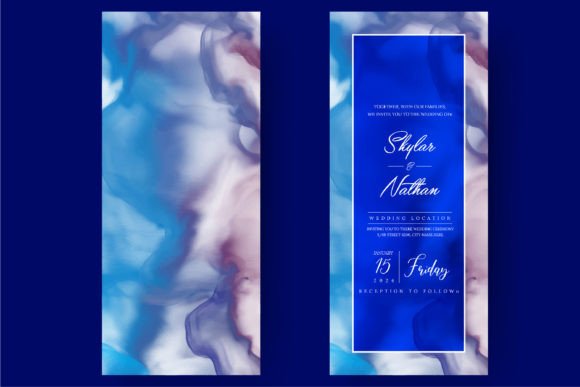
Blue Marble Stone Texture Wedding Menu: A Designer's Guide
There's a moment in every design project when you find the perfect texture. It's that subtle, organic element that transforms a flat, digital creation into something with depth, character, and a story. Imagine the cool, veined elegance of polished stone, captured not just as an image, but as a versatile, editable design asset. That's the core appeal of a resource like the Blue Marble Stone Texture Wedding Menu kit. It’s more than a wedding template; it's a foundation for creating sophisticated, tactile-feeling designs across a multitude of projects, from your own brand materials to client work that demands a premium feel.
Beyond the Invitation: Unpacking a Versatile Design Kit
At first glance, the name suggests a single use case. But let's break down what you're actually getting when you invest in a well-constructed package like this. You're not just receiving a static JPG of a menu card. You're acquiring a toolkit.
The inclusion of EPS and SVG files is the game-changer. These are vector formats, meaning every element—the elegant typography, the ornate borders, the watercolor washes, and the marble texture itself—can be scaled to any size without losing quality. Need the marble texture for a 6-foot trade show banner? The vector file handles it perfectly. Want to isolate a small watercolor blot for a social media icon? It stays crisp. The PNG files with transparency are perfect for layering in photo editors or design software, while the JPGs offer a ready-to-use, high-resolution background.
The practical details matter for real-world application. A 5"x7" wedding card with bleed and a 3.5"x5" RSVP card provide a professional starting point, but the true value lies in the editability. You can change the text, adjust the color palette of the watercolor accents, and even modify the layout to fit a completely different project. The use of a free font is a thoughtful touch, removing a potential licensing hurdle and ensuring you can immediately start customizing without additional cost.
Creating Cohesive Brand Worlds with Texture
For designers and brand strategists, consistency is everything. A unique texture like blue marble can become a signature element that ties an entire visual identity together. Think beyond the wedding suite. How could this texture serve a luxury brand?
- Logo Design & Stationery: Use a subtle marble pattern as a background for a business card or letterhead. Pair it with a clean, modern sans-serif font for a look that's both luxurious and contemporary. The watercolor elements could serve as a delicate accent mark or a colored foil detail.
- Packaging Design: For a high-end product line—think artisanal candles, specialty cosmetics, or gourmet foods—the marble texture can form the base of a label or box design. It communicates quality and natural elegance. The editable nature allows you to tweak the color to match your specific brand palette.
- Social Media & Web Presence: Create a recognizable template for Instagram posts or Pinterest graphics. Use the marble as a background for quotes, product announcements, or blog post headers. This builds instant visual recognition. On a website, it could be a stunning hero image background, a textured sidebar, or a unique page divider.
The goal is to create a visual language that feels intentional. When a customer sees your marble-textured Instagram post, then receives a product in matching packaging, and later visits a website with cohesive design elements, you've built a powerful, memorable brand experience.
Practical Applications for the Creative Professional
Let's move from theory to the studio floor. How does a resource like this actually integrate into a workflow? It’s about seeing the components as separate, reusable parts.
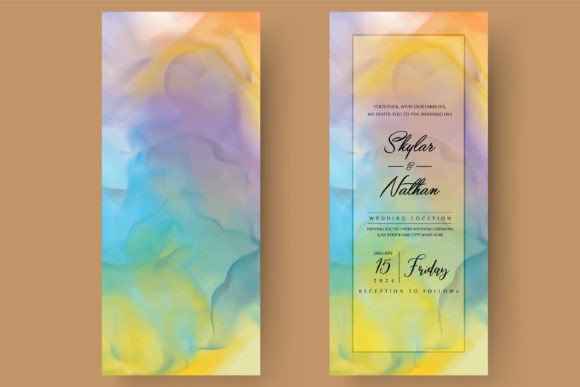
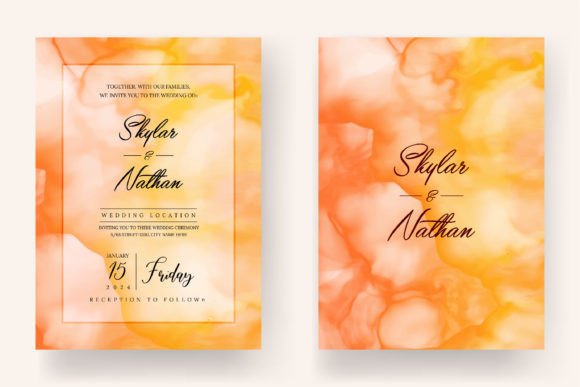
The Elegant Watercolor Wedding Menu Card aspect is just one possibility. The watercolor washes themselves are incredibly versatile design assets. Isolate a single blush pink watercolor splash to use as a background for a podcast cover. Duplicate and recolor a blue wash to create a set of abstract art prints. These organic shapes add a human, artistic touch that purely digital gradients often lack.
Consider these specific project types where this asset shines:
- Editorial & Blog Design: Create beautiful, textured featured images for articles about luxury, weddings, interior design, or lifestyle. The marble background adds sophistication without distracting from the headline.
- Digital Products & Marketing: Design a stunning ebook cover, a lead magnet PDF, or a course workbook. The texture elevates the perceived value of your digital offering. For email marketing, use it to create header graphics that make your newsletters stand out in a crowded inbox.
- Poster & Flyer Design: For an event—a gallery opening, a boutique sale, a workshop—the combination of marble and watercolor provides a ready-made elegant aesthetic. Simply update the text and you have a professional-looking poster.
- Merchandise: While you can't resell the raw files, you can use them to create designs for print-on-demand products. Imagine a notebook with a marble-textured cover, or a tote bag featuring a minimalist watercolor floral arrangement from the kit.
Choosing and Pairing for Maximum Impact
A great asset is only as good as how you use it. When working with a textured background like blue marble, typography becomes your primary tool for clarity and hierarchy.
The kit mentions a free font is used. Your first step should be to review all the font styles included (likely a serif, a script, and a sans-serif). A script or handwritten font might be perfect for a name on a wedding invitation, but it could be a readability nightmare for body text on a poster viewed from a distance. This is where font pairing is critical. A common and effective strategy is to pair a decorative display font for headlines with a highly legible sans-serif font for body copy or details.
Readability is non-negotiable. Test your text against the marble texture. You may need to add a slight shadow, a semi-transparent shape behind the text, or choose a font color with enough contrast. The goal is to ensure your message is communicated clearly, with the texture serving as a beautiful frame, not a visual obstacle.
Finally, always mind the license. While this type of asset is typically licensed for commercial use in end designs (like a client's wedding suite or your final packaged product), it's crucial to understand the terms. You generally cannot redistribute the original, editable files. The value is in using them to create unique, final compositions for yourself or your clients.
Ultimately, a resource like the Blue Marble Stone Texture Wedding Menu is a springboard for creativity. It provides a sophisticated, on-trend aesthetic that can be deconstructed, recolored, and reapplied to solve a wide range of design challenges. It’s not just about making a single beautiful wedding menu—it’s about having a versatile tool in your design arsenal to consistently create work that feels polished, professional, and visually compelling.