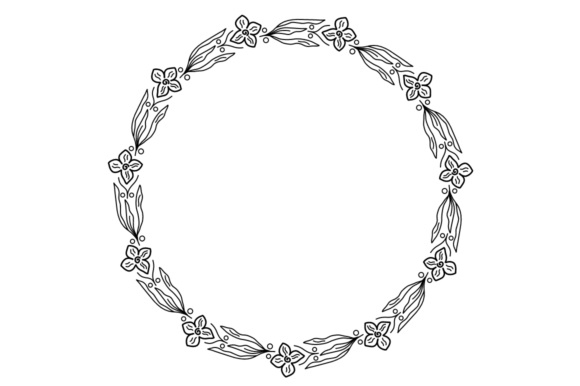
Wedding Wreath 11: A Versatile SVG for Modern Design
Finding that one perfect design element can feel like searching for a needle in a creative haystack. You need something that is both elegant and versatile, a single asset that can elevate a dozen different projects without feeling repetitive. This is where a well-crafted SVG file truly shines, offering a blend of artistic flair and practical utility. For designers, entrepreneurs, and creators, having a go-to graphic like a sophisticated wreath can streamline workflows and add a consistent, professional touch to various branding and marketing materials.
Imagine a design resource that adapts as fluidly as your ideas. That’s the promise of a premium SVG file. Unlike a static image, a scalable vector graphic allows you to resize, recolor, and repurpose the artwork without any loss of quality. Whether you're creating a tiny favicon or a large-format poster, the lines remain crisp and clean. This flexibility is crucial for maintaining visual consistency across a brand's entire ecosystem, from digital platforms to printed collateral.
The Anatomy of a Timeless Wreath Design
What makes a particular wreath design stand out? It often comes down to the balance between organic detail and clean execution. A design inspired by botanical illustration, for example, might feature intricate leaf patterns and subtle floral clusters. Yet, for it to be truly useful in modern applications, it must avoid feeling overly fussy. The best assets strike a harmony—they are detailed enough to feel artisanal but simplified enough to work at small sizes and on busy backgrounds. This thoughtful craftsmanship ensures the design feels current and adaptable, not tied to a fleeting trend.
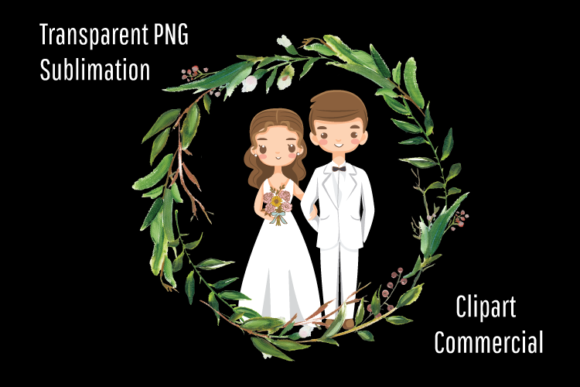
Consider the visual language a wreath communicates. Circles evoke unity, wholeness, and celebration, making them a natural fit for events like weddings or brand milestones. The specific style of the foliage and florals adds another layer of meaning. Delicate, symmetrical leaves suggest classic elegance, while a more wild, asymmetrical arrangement can feel bohemian or rustic. When selecting a wreath SVG, thinking about the emotional tone of your project is key. Does your brand feel refined and luxurious, or approachable and earthy? The design's personality should align with your own.
Practical Applications Across Creative Projects
The true value of a design asset is measured by its utility. A single, well-designed wreath SVG can become a cornerstone of your creative toolkit, serving numerous purposes. Let’s explore where such an element can make a tangible impact.
- Branding and Logo Design: A wreath can frame a monogram, a business name, or an icon, instantly adding a layer of sophistication. It works beautifully for boutique businesses, event planners, florists, and artisanal product brands seeking a classic, trustworthy identity.
- Packaging and Labels: For product-based businesses, this design element can transform simple packaging into something special. Use it on box sleeves, jar labels, or shopping bags to create an unboxing experience that feels curated and high-end.
- Social Media and Digital Marketing: In the fast-scrolling world of social media, a visually striking graphic stops the thumb. Incorporate the wreath into Instagram story templates, Facebook post designs, or Pinterest graphics to make announcements, quotes, or promotions feel more polished and engaging.
- Invitations and Stationery: This is a natural home for wreath designs. From wedding invitations and save-the-dates to thank you cards and menu layouts, the graphic adds a celebratory, personal touch that sets the tone for the event.
- Editorial and Web Design: Break up long blocks of text in a blog post or on a website by using a wreath as a decorative header, a divider, or a background accent. It adds visual interest and can help guide the reader’s eye through the content.
Integrating the Asset Into Your Design Workflow
Simply having a beautiful file isn’t enough; knowing how to use it effectively is what separates good design from great design. Start by considering the context. A wreath that looks stunning on a white wedding invitation might need simplification or color adjustment to work as a watermark on a photo. Always test the design at the actual size it will be used. An element that is perfect for a poster might lose its detail when used as a small social media icon.
Font pairing is another critical consideration. The style of the wreath should complement, not compete with, your typography. A delicate, detailed wreath often pairs well with a clean sans serif font for contrast, or with a classic serif for a harmonious, traditional feel. If the wreath has a more modern or minimalist aesthetic, it can stand alongside a bold display font. The goal is to create a cohesive visual hierarchy where each element supports the other, leading to a professional and readable final design.
Before finalizing any project, always review the licensing terms of the SVG file. For commercial use—such as on products you sell, client work, or marketing materials—ensure the license permits this. Reputable design assets come with clear licensing that protects both the creator and you, the user. This due diligence is a non-negotiable part of using any third-party design resource professionally.
Elevating Your Visual Communication
In a crowded marketplace, the details matter. Consistent use of a high-quality design element like a carefully crafted wreath SVG helps build brand recognition. Over time, your audience will start to associate that specific visual style with your business, creating a stronger mental imprint. This consistency across your website, social media, and print materials projects an image of reliability and attention to detail, which builds trust with potential customers or clients.
Ultimately, the goal of any design asset is to make your communication more effective. A well-chosen graphic can make a message more memorable, a product more desirable, and a brand more relatable. By thoughtfully integrating a versatile SVG file into your projects, you’re not just decorating a layout—you’re enhancing the story you’re telling and strengthening the connection with your audience. It’s a small investment in a resource that can yield significant returns in clarity, beauty, and professionalism across all your creative endeavors.